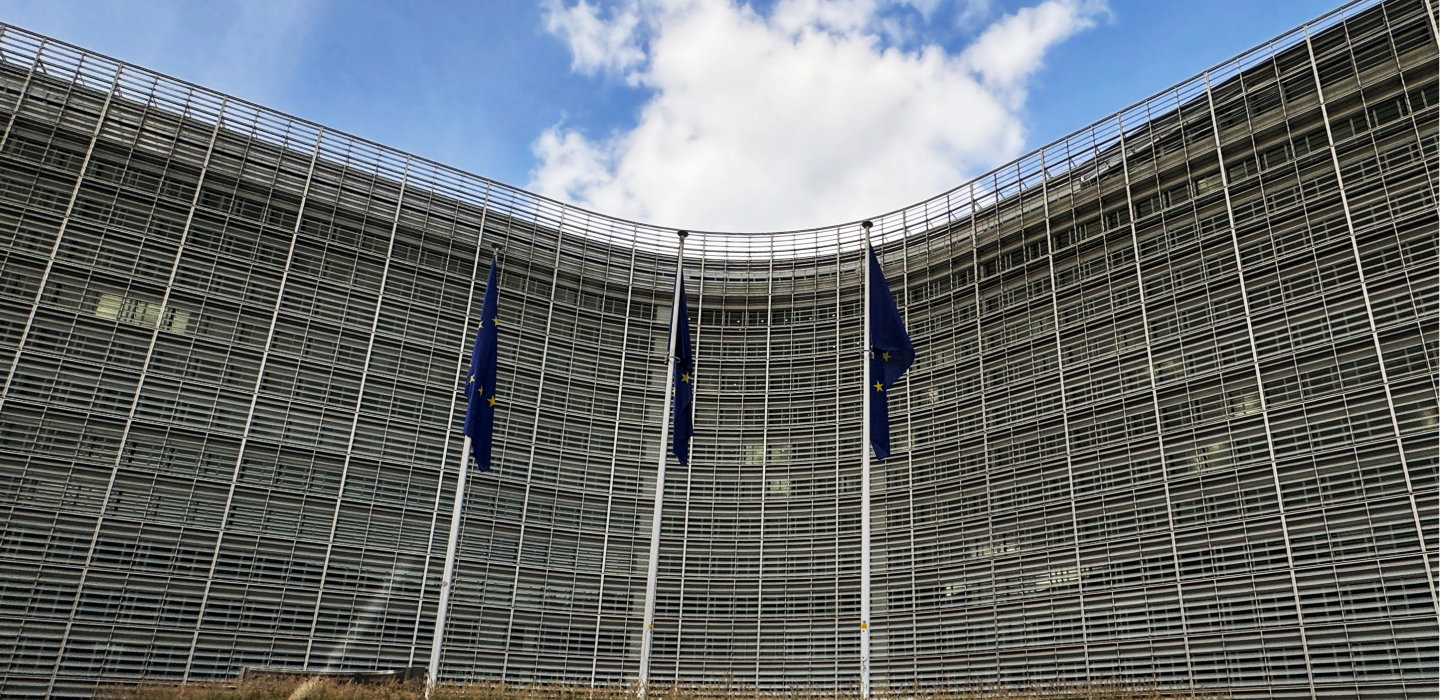
EU opens formal investigation into dumping of Chinese hardwood plywood; allegedly originating from Russia
The European Commission has launched an anti-dumping investigation into imports of hardwood plywood from China, following a complaint from the Greenwood Consortium, which represents the hardwood plywood industry in the EU. The consortium, which filed its complaint on August 27, 2024, claims that Chinese imports are being sold at artificially low prices, undermining European producers and violating fair trade rules. This investigation follows growing concerns that these imports originate from Russia, whose wood products have been banned in the EU since the invasion of Ukraine in 2022.
European Commission launches anti-dumping investigation into Chinese plywood imports
The hardwood plywood under investigation consists of wooden panels, excluding bamboo and okoumé, with a layer thickness of no more than 6 mm, classified under HS codes 4412 31, 4412 33 and 4412 34. According to the complaint, the products in question contain wood from Russian forests, which contributes to their competitive price despite the EU's embargo on Russian wood imports.
EU producers claim that Chinese hardwood plywood is being sold in the EU at prices significantly lower than normal production costs, undermining domestic producers and disrupting the market. In addition, a significant portion of the plywood imported from China is said to originate from Russia. Russian wood products have been banned in the EU since February 2022, and it is believed that Chinese imports may be circumventing these restrictions by using Russian wood. The complaint further states that Chinese manufacturers benefit from significant market distortions, including state support and interventions that artificially lower production costs. These distortions include lower prices for raw materials (such as wood), capital, labor and energy, giving Chinese exporters an unfair competitive advantage.
Russian wood products allegedly in Chinese exports to the EU
The complaint points to a sharp increase in Chinese plywood imports into the EU. Chinese exports of hardwood plywood to the EU increased by 23% year-on-year in the period from January to August 2024, to 837 thousand m³. The value of these exports increased by 21% to $514 million, while the average price fell by 2.2% to $615 per cubic meter.
Data for January to August 2024 show that Russian exports of hardwood plywood to China increased by 74% year-on-year to 249 thousand m³, with the value of these exports increasing by 46% to $125 million. However, the average price per cubic meter fell by 16% to $502. This influx of Russian hardwood plywood into China has raised concerns about possible re-export to the EU as plywood of Chinese origin, circumventing the EU's ban on Russian wood products.
The European Commission will investigate whether these price distortions are causing harm to EU producers, who have reported declining sales and prices. The sector employs approximately 10,000 people in major production centers in Poland, Finland, France and the Baltic states. In 2023, the EU imported approximately 750,000 cubic meters of hardwood plywood, worth 327 million euros, from China. This volume represents more than half of the total hardwood plywood imports into the EU and covers 30% of the EU market. The EU has already imposed anti-dumping duties on plywood imports from other countries due to similar concerns. In 2023, tariffs were also imposed on imports from Kazakhstan and Turkey, after investigations revealed that part of their plywood contained Russian wood, in violation of EU trade rules.
The investigation, which is expected to last up to 14 months, will determine whether duties should be imposed on these imports. Provisional measures can be introduced within seven to eight months if preliminary findings support the claims. To prevent importers from circumventing any duties, all Chinese plywood imports are registered at EU borders from the start of the investigation, so that any future duties can be applied retroactively.
The investigation is part of a broader EU effort to protect domestic industries from unfair competition. This follows the recent introduction of up to 45% duties on Chinese electric vehicles, which has triggered counter-duties from China on EU products such as cognac. Rising trade tensions have raised fears of a prolonged cycle of retaliatory measures. However, the European Commission states that these investigations are necessary to ensure a level playing field. Alicia García Herrero, senior fellow at the think tank Bruegel, told the FT that the era of "engagement" between China and the EU is over, as the two parties now compete in key sectors.
The final decision on whether to impose definitive duties will depend on the outcome of the investigation, which will assess whether these measures are in the general interest of the EU economy. Stakeholders, including importers, EU producers and trade unions, are invited to submit evidence during the investigation to support their positions.
Chinese hardwood plywood exports rise amid weak domestic demand
In light of the ongoing decline in China's real estate sector, plywood producers have shifted their focus to export markets to compensate for weak domestic demand. The increase in plywood exports is driven by weak domestic demand for furniture, which largely depends on construction activity. From January to August 2024, Chinese exports of hardwood plywood increased by 11% to 6.24 million m³. The value of exports increased by 7.2% to $2.7 billion, while the average price of hardwood plywood fell by 3.4% to $436 per m³.
To ensure your voice is heard and to protect our common interests, we encourage you to submit a brief statement. The deadline for submitting this statement is Friday 15/11/2024.
In the attachment you will find the details and guidelines for submitting your statement.
Given the possible impact on your company, we strongly urge you to take timely action. Your involvement is invaluable to us, and we appreciate your cooperation in this matter.